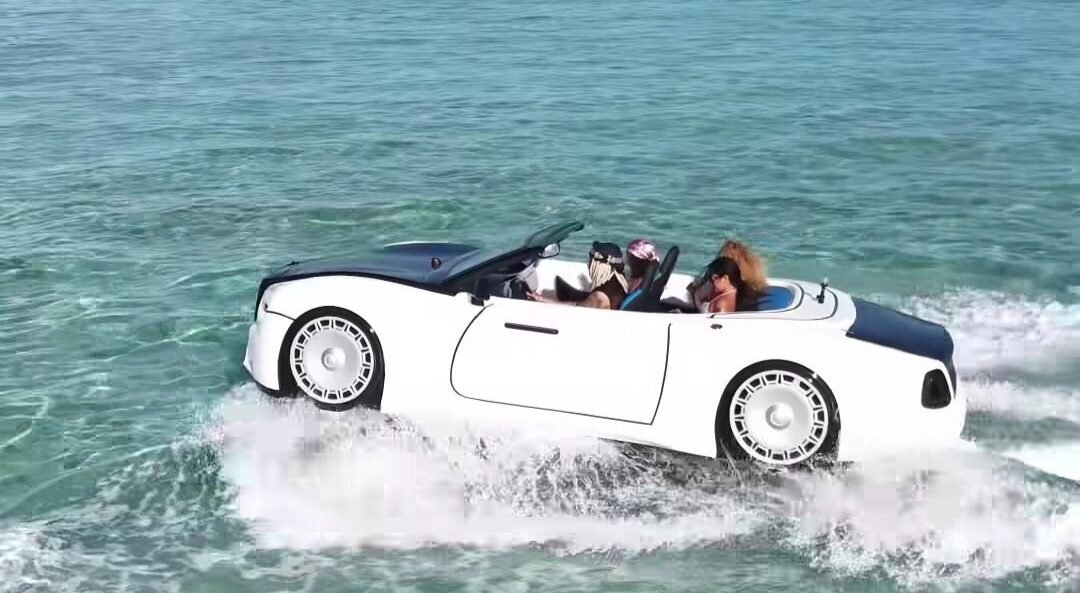
Get ready for an unforgettable time with the Water Boat Car, a truly unique mode of vehicle! This incredible creation seamlessly blends the fun of a car with the freedom of a boat, allowing you to navigate both land and water with ease. Imagine cruising across a lake one minute, and then driving down a road the next! The Water Boat Car offers a fresh angle on leisure activities and promises loads of joy for the whole crew. It’s the ideal method to merge your love for both vehicles and the ocean!
Transforming Aquatic Transit
The emergence of watercraft is poised to radically alter the landscape of aquatic mobility . These innovative machines, utilizing hydrodynamic drive, promise a fresh approach for navigating waterways. Forget traditional boats ; jet cars provide a swifter and potentially streamlined alternative for personal passage across bodies of water, heralding a genuine revolution in how we view aquatic transit.
Examining Hydro Car Engineering
The cutting-edge realm of water jet craft engineering presents a fascinating look into the future of travel . Scientists are actively perfecting systems that utilize powerful liquid jets for thrust, allowing these specialized machines to glide across surfaces of liquid . New breakthroughs focus on refining operation, reducing environmental footprint , and increasing the usability of this revolutionary design.
The Future of Water Travel: Jet Car Design Trends
The emerging landscape of water travel is seeing substantial shifts, particularly concerning jet car aesthetics. We're observing a move away from classic bulky designs toward sleek and sustainable alternatives. Multiple key directions are shaping the future of these rapid vessels. These include:
- Hydrodynamic Optimization: Designers are constantly focusing on reducing drag and maximizing hydrodynamic capability through advanced hull forms. Expect to see more nature-inspired designs – mimicking oceanic life for excellent movement.
- Electric Propulsion: The expanding concern for ecological impact is promoting a quick adoption of electric drives. This leads to low-noise operation and minimal emissions.
- Lightweight Materials: Advanced plastics are replacing heavy metals, causing in lighter and more fuel-efficient jet craft.
- Modular Design: Adaptability is vital. We're likely to witness more modular designs allowing for personalization and simple component replacement.
The overall aim is to develop jet cars that are not only exciting to ride but also sustainable for the planet. This promises a exciting future for water travel.
Get to know the Jet Vehicle Companies Shaping the Industry
Several pioneering organizations are currently driving the charge in jet vehicle technology. Within these, Reaction Engines stands out for its record-breaking achievements, while rising stars like Apex Dynamics are pushing boundaries with hybrid power systems. Also, entities focused on smaller scale and consumer applications, such as Future Transport, are steadily emerging the landscape, hinting at a vision where jet-powered commuting becomes more widespread.
Choosing a Hydro Boat vs. Turbo Machine : Which is Best for You ?
So, you're acquire a fast vehicle , but are debating between a classic water craft and a modern jet racer? Both provide a special ride on the surface, but they suit to different tastes . Water hydrocraft are typically generally predictable , allowing them ideal for those new to the sport or groups seeking a relaxed trip . They also manage larger water more . Conversely , jet machines shine at high speeds , delivering an thrilling performance . But , they necessitate more practice to maneuver effectively and may be often forgiving in difficult conditions . Finally , the best choice depends on your spending limit, experience proficiency , and desired application.
- Consider your budget .
- Determine your experience proficiency.
- Consider the advantages and drawbacks of each type .
Extreme Thrills : A Deep Investigation into Jet Automobile Capability
The spectacular world of jet car performance offers a remarkable experience, pushing the boundaries of pace and engineering. These powerful machines aren’t your average vehicles; they utilize jet propulsion, delivering incredible acceleration and top speeds often exceeding 300 miles per hour. A sophisticated interplay of airflow, powerplant design, and construction science enables these inventions to achieve such phenomenal feats, demanding skilled handling and a dedicated environment for safe operation.
Luxury on Water: The Rise of the Water Boat Car
The emerging phenomenon of water boat cars, also known as hydrofoils that integrate automobile design with maritime performance, is quickly securing attention. These unique vehicles offer a high-end ride, allowing owners to easily transition from pavement to sea. The rising demand reflects a desire for exclusive mobility options, catering to a high-net-worth clientele seeking the highest in individual splendor.
A Exclusive Look Inside the Jet Car Manufacturer’s Workshop
Few people ever gain access to the protected world of a jet car workshop, and we’re thrilled to offer an unique look. Within the facility, skilled engineers meticulously construct these incredible machines. You’ll see firsthand the intricate process, from the early design phases to the concluding testing. Key areas include:
- A advanced engine fabrication area
- A meticulously organized parts depot
- The separate space for frame crafting
- Examples of some revolutionary construction procedures
It’s an truly inspiring experience that showcases the artistry How Does a Jet Car Work and accuracy necessary to create such exceptional vehicles .
Water Jet Car Safety: Concerns and Best Practices
The cutting-edge technology of water jet propelled cars presents unique risks regarding security. Primary concerns focus around the probable for breakdowns in the pumping system, leading to unpredictable movement or abrupt loss of steering. Furthermore, the impact of the jet itself poses a threat to people and nearby items. Best practices include strict system evaluation, comprehensive pilot training on emergency procedures, the use of backup systems to lessen failures, and clearly defined operational areas with appropriate barriers.
A Environmental Consequence of Jet Boats and Jet Cars
Increasingly popular types of recreation, hydro cars and hydro craft, present major challenges regarding their environmental footprint. The vehicles, powered by powerful engines, often release harmful emissions into the atmosphere, contributing to air degradation. Furthermore, the wash generated by such boats can cause erosion to banks and impact aquatic ecosystems. Efforts are essential to promote eco-friendly approaches and careful operating methods to reduce their collective environmental damage.
Hydro Craft Craft & Jet Craft: A Hobbyist's Guide
These rare boats – often known as water cars or jet cars – represent a fascinating niche in the enthusiast's world. Originally designed for aquatic movement, these innovative vehicles combine the principles of automotive and maritime engineering. Locating a restored example can be challenging, requiring detailed research into their history and mechanical specifics. Prices differ significantly depending on shape, scarcity, and provenance, making it a niche area for serious hobbyists.